Introduction
Navigating the world of toddlerhood can seem like starting a wild journey loaded with enjoyment and unpredictability. As parents and caretakers, we typically locate ourselves in circumstances where minor accidents can quickly rise. Consequently, understanding Toddler Emergency treatment Basics: Getting Ready For Usual Childhood Years Injuries is not just advantageous; it's essential for ensuring the safety and wellness of our children. In this thorough overview, we'll look into numerous elements of emergency treatment especially tailored for toddlers, covering everything from choking avoidance to acknowledging asthma symptoms.
Understanding Young child Emergency treatment Essentials
When taking into consideration first aid for toddlers, it's essential to have a detailed grounding alike childhood injuries and emergency situations. Young children are normally curious and energetic, making them vulnerable to crashes such as drops, cuts, burns, and allergic reactions. By being proactive and ready, you can dramatically alleviate these risks.
HLTAID012 Certification Australia
The HLTAID012 qualification provides individuals with the skills required to supply emergency treatment in educational setups. This credentials is specifically relevant for child care employees, teachers, and parents that want to build their self-confidence in handling events efficiently.
Why Go after HLTAID012 Certification?
- Comprehensive Training: Covers fundamental life support techniques. Emergency Preparedness: Instructs how to reply to various emergencies. Child-Specific Emphasis: Customized content regarding child-specific issues.
Choking Prevention Strategies
Choking Homepage is just one of one of the most usual emergencies that can accompany toddlers. Understanding how to stop choking is crucial for all caregivers.
Common Choking Hazards
- Small toys Hard candies Grapes Nuts
Effective Preventative Measures
Always manage toddlers during meals. Cut foods right into tiny pieces. Educate older brother or sisters regarding secure play practices.Epipen Administration: A Lifesaving Skill
For children with recognized allergies, having an Epipen available can imply the distinction between life and death.
How to Carry out an Epipen
Remove the safety cap. Hold the pen against the outer thigh. Press strongly until you hear a click. Hold in place for 10 secs prior to removing.Managing Minor Wounds: Finest Practices
Toddlers are active explorers; hence minor injuries are inevitable.
Steps to Manage Cuts and Scrapes
Clean the wound with soap and water. Apply an antibacterial wipe or cream. Cover with a sterilized bandage.Proper Hand Hygiene at Home and School
Hand hygiene is Click for more info crucial in avoiding infections among toddlers.
Key Practices for Effective Hand Hygiene
- Teach children appropriate handwashing techniques. Use alcohol-based sanitizers when soap isn't available. Encourage regular handwashing prior to meals and after using the restroom.
Child Defibrillation Support: What Caregivers Should Know
Understanding just how to use a defibrillator might conserve a child's life throughout cardiac emergencies.
Steps to Utilize an AED (Automated External Defibrillator)
Turn on the AED. Expose the youngster's breast and apply pads. Follow voice prompts provided by the device.Building Educator Confidence via Training Programs
Training programs geared in the direction of educators improve their self-confidence in handling health-related incidents effectively within child care settings.

Components of Reliable Training Programs
- Hands-on method sessions Written assessments Regular updates on best practices
Recognizing Bronchial asthma Signs Early On
Asthma can show up suddenly in young children; identifying signs and symptoms early can bring about prompt intervention.
Common Signs and symptoms of Bronchial asthma in Toddlers
- Wheezing or coughing Shortness of breath Chest tightness
Playground Problems: Prevention & Action Guide
Playgrounds can be a resource of enjoyable yet likewise prospective dangers if not appropriately monitored or maintained.
Preventing Play area Injuries
Ensure tools satisfies safety standards. Regularly look for threats like rust or loosened parts.Responding to Playground Injuries Effectively
Stay calm and assure your youngster after an injury occurs. Assess the injury extent before looking for clinical interest if necessary.Childproofing Methods Every Moms and dad Must Implement
Creating a secure atmosphere entails childproofing your home effectively.
Essential Childproofing Practices Include:
- Installing safety and security gates at stairs Securing hefty furniture to walls Using outlet covers
Incident Coverage Protocols: Value & Procedures
Documentation is vital when handling incidents involving kids in care settings.
Steps for Incident Reporting:
Record specifics about what took place promptly after an incident. Notify parents quickly concerning any injuries sustained by their child.Immediate Response Responsibilities During Emergencies
Knowing your responsibilities during emergencies assists make certain prompt activity is taken when needed most.
Responsibilities Include:
Assessing the circumstance calmly without panic. Providing instant first aid as necessary while waiting for expert aid if required.Written vs Practical Components of First Aid Training
First help training commonly consists of both written material and sensible components which enhance each other well.

Importance of Both Elements:
- Written content gives fundamental understanding, Practical exercises aid enhance abilities learned theoretically,
Renewal Timelines: Remaining Updated on Emergency Treatment Skills
Staying present with first aid abilities ensures you're prepared when emergency situations arise.
Recommended Revival Timelines:
HLTAID012 certification must be restored every three years. Workshops might be held every year for skill refresher courses between certification renewals.FAQs regarding Toddler Emergency treatment Essentials
What should I include in my child care centre first aid kit?
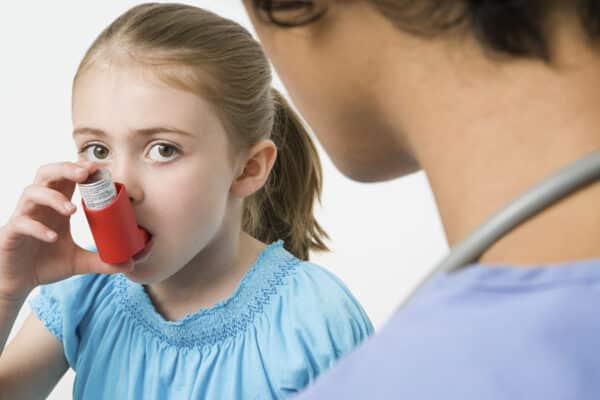
How do I recognize asthma signs in my toddler?
Typical indications include relentless coughing (especially in the evening), wheezing audios while breathing out, lack of breath during physical activity or exertion, quick breathing patterns that seem uncommon compared to normal behavior ought to trigger instant evaluation by medical care experts ensuring swift interventions occur if necessary!
What are conventional child care staff emergency treatment requirements in Australia?
In Australia's childcare industry-- staff members have to hold credentials like HLTAID012 accreditation showing expertises around supplying emergency assistance across numerous scenarios including choking avoidance techniques together with recognizing case coverage procedures making certain conformity within guidelines governing childcare security hazards Australia-wide!
Can I administer basic first aid without prior training?
While numerous fundamental actions might come instinctively-- it's highly suggested getting official training by means of credible programs such as those supplying HLTAID012 certification Australia since having actually structured understanding boosts your self-confidence considerably throughout real-life circumstances where every 2nd counts!
What's involved in toddler emergency treatment fundamentals educating programs?
Training programs incorporate both theoretical expertise (created components) along with functional applications enabling individuals hands-on experience imitating real-world situations-- this dual method helps with far better retention prices ensuring caregivers really feel equipped taking on numerous difficulties they may come across daily!
How usually must I restore my toddler first aid training?
It's advised restoring qualifications every 3 years providing refresher courses/check-ins occasionally throughout that time structure allows people remain upgraded accessing current advancements related ideal methods boosting overall effectiveness reacting with confidence whenever conditions emerge!
Conclusion
In final thought, comprehending Toddler Emergency treatment Fundamentals: Getting Ready For Typical Childhood years Injuries encompasses greater than simply remembering treatments; it requires hands-on technique paired with academic knowledge that empowers caregivers successfully manage unanticipated scenarios calling for immediate focus! By outfitting yourself with essential skills-- you're not just preparing yourself but additionally cultivating a safer atmosphere helping kids's development expedition experiences! Remember-- the right prep work today leads towards healthier tomorrows filled happiness giggling rather than worry fear when dealt with unforeseen hurdles developing unexpectedly along their journey!
First Aid Pro is one of Sydney’s leading providers of accredited CPR and first aid courses. Established in 2012, our nationally registered training organisation (RTO) has equipped over 2.6 million Australians with essential life-saving skills through our experienced team of over 110 expert trainers. Conveniently located in the heart of Sydney at Chambers Arcade Level 15, Suite 1501/370 Pitt Street, Sydney NSW 2000, we offer top-quality, nationally accredited CPR and first aid training sessions tailored to your needs—whether for workplace requirements, career advancement, or personal safety. From childcare-specific first aid to advanced first aid and resuscitation, we’ve got you covered! Secure your Sydney first aid course or CPR training with us and build the confidence to handle emergencies with a trusted Sydney first aid provider. Take the first step towards becoming a skilled and capable first aider with First Aid Pro today! Call today on 08 7120 2570.